September 23, 2026
Have you ever looked at your backyard and felt like the space was shrinking? You are not alone. Many homeowners dream of an expansive outdoor oasis but end up feeling boxed in by their own property lines. A cramped yard is rarely due to its actual square footage; more often, it is the result of common design missteps that make the area feel much smaller than it truly is. According to Growcycle, in the U.S., the landscaping services industry was estimated at $188.8 billion in 2025 and employed more than 1.4 million people. With so much investment in outdoor spaces, it is crucial to get the details right. Working with experienced landscape designers can make all the difference in maximizing your area. In this article, we will explore the mistakes that make a yard feel tiny and outline how to fix them.
1. Ignoring the Potential of Vertical Space
One of the most frequent errors homeowners make is focusing entirely on the ground level. When every plant, feature, and decoration sits close to the earth, the eye is forced downward, emphasizing the limited footprint of the yard. By failing to draw the eye upward, you miss a significant opportunity to create an illusion of volume. Professional landscape designers often emphasize verticality to solve this very issue. To correct this, incorporate taller elements into your outdoor space. Utilizing services like tree planting or privacy hedge installation brings height to the environment, encouraging visitors to look up instead of down. You might also consider adding climbing vines or elevated planters to add varied levels. By drawing attention to the vertical dimensions of your property, you instantly make the area feel larger and more open. Emphasizing vertical space transforms a constrained yard into an airy retreat.
2. Overcrowding the Lawn With Too Many Elements
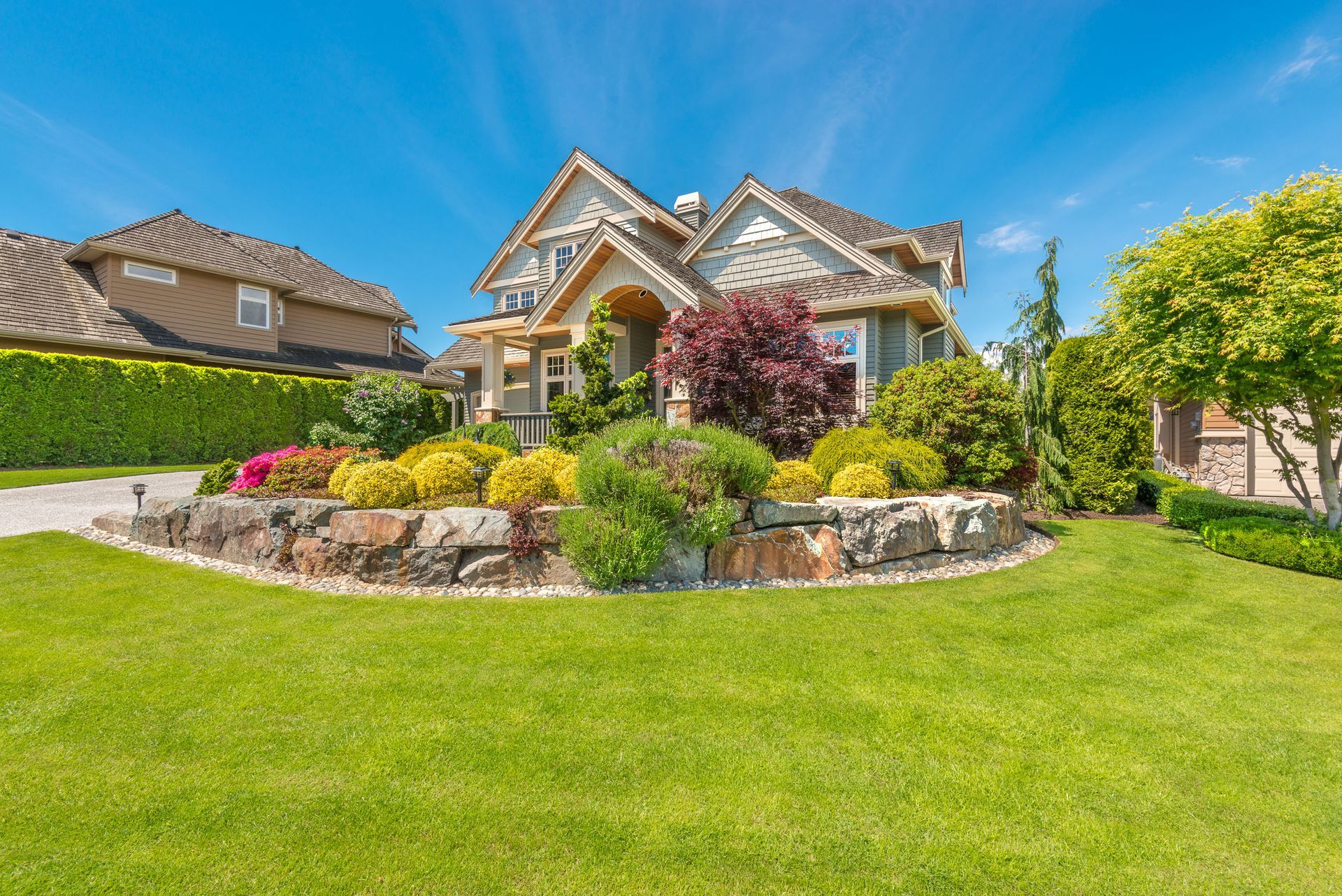
It is easy to get excited about outdoor living and want to include every possible feature—a dining set, lounge area, water feature, and garden beds. However, cramming too many elements into a single area leads to visual clutter, which is the enemy of spaciousness. When a yard is packed tightly with accessories and bulky outdoor furniture, there is no empty space for the eyes to rest, making the property chaotic and confined. Experienced landscape designers know that negative space is just as important as the physical features themselves. Instead of breaking up the yard with scattered focal points that disrupt the flow, consolidate your living areas. You might opt for a unified patio installation or paver installation to anchor your outdoor furniture in one designated spot. By reducing standalone features and creating cohesive gathering zones, you open up the lawn, allowing it to appear significantly larger.
3. Failing to Define Distinct Functional Zones
A yard that lacks organization often feels like one ambiguous, shrinking space. When your dining area blurs into your gardening space and the play area overlaps with the lounge, the yard loses its sense of purpose and structure. Without clear boundaries, the eye perceives the space as a disorganized room rather than a multifaceted living area. Accomplished landscape designers suggest breaking the yard into distinct, purposeful zones to create the illusion of a larger, more expansive environment. You can achieve this separation subtly without building massive walls. For instance, a low retaining wall installation can beautifully separate a garden bed from a seating area. Alternatively, utilizing professional garden design services can help organize plant beds to naturally partition the yard. When you create specific areas for cooking, dining, and relaxing, your yard feels like it holds multiple destinations, tricking the brain into perceiving grander scale.
4. Choosing the Wrong Size Plants and Trees
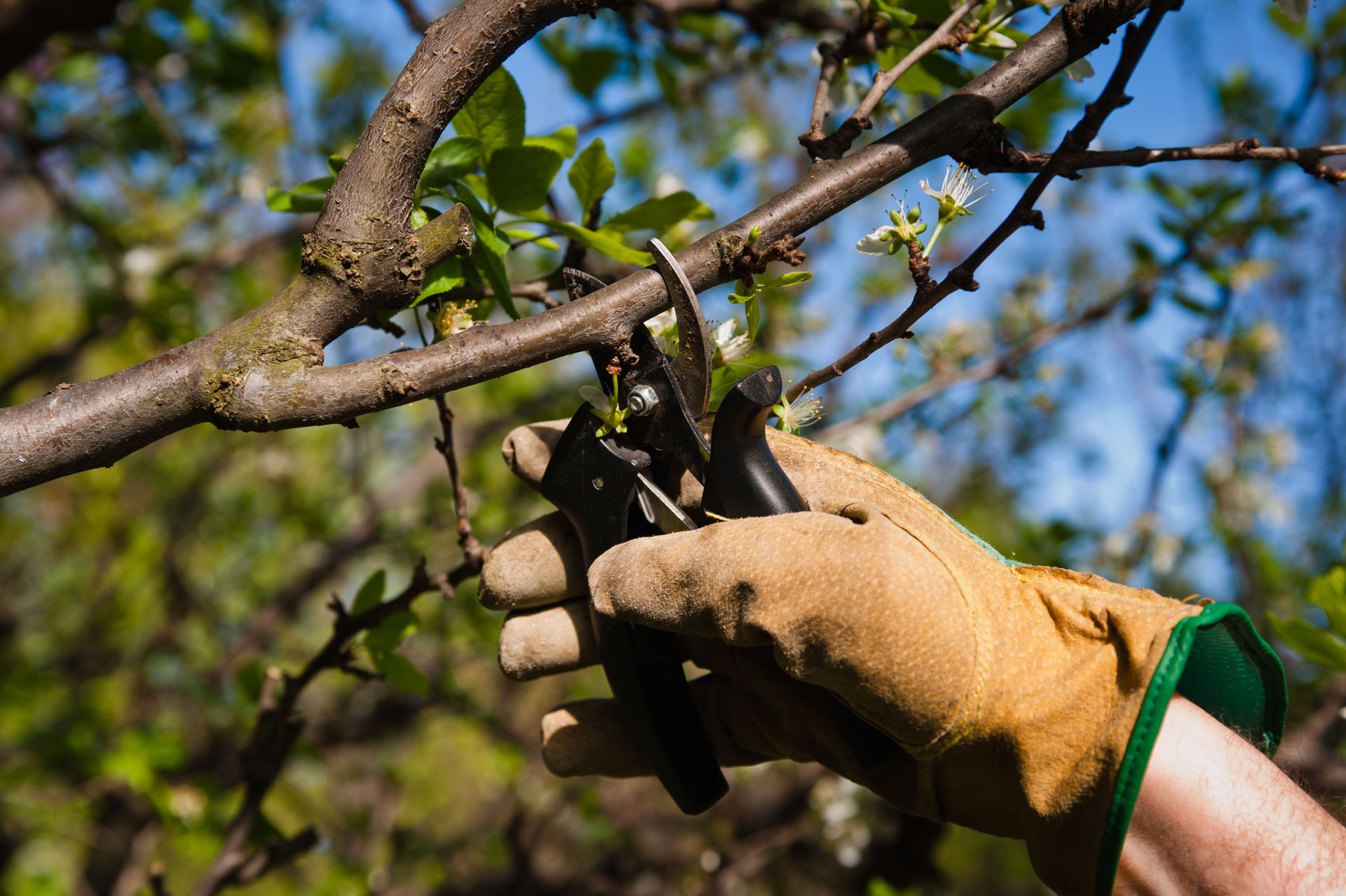
Plant choice is critical when trying to maximize your yard and create a comfortable environment. A major mistake is planting species that eventually outgrow their designated spots. When large shrubs and massive trees overwhelm a small yard, they cast heavy shadows and physically encroach on usable space, making the area feel highly claustrophobic. Furthermore, overgrown vegetation can block natural sightlines, making the borders of your property feel much closer than they actually are. Savvy landscape designers understand the concept of placing the right plant in the right place to prevent these issues. If you currently have oversized plants, look into tree transplanting to move them to a suitable location. For new additions, thoughtful shrub planting with appropriately sized species will maintain an open feel. Regular tree trimming and pruning also ensure that tree canopies stay elevated. Keeping greenery proportionate to your yard's square footage is essential for a spacious aesthetic.
5. Neglecting the Flow of Walkways and Paths
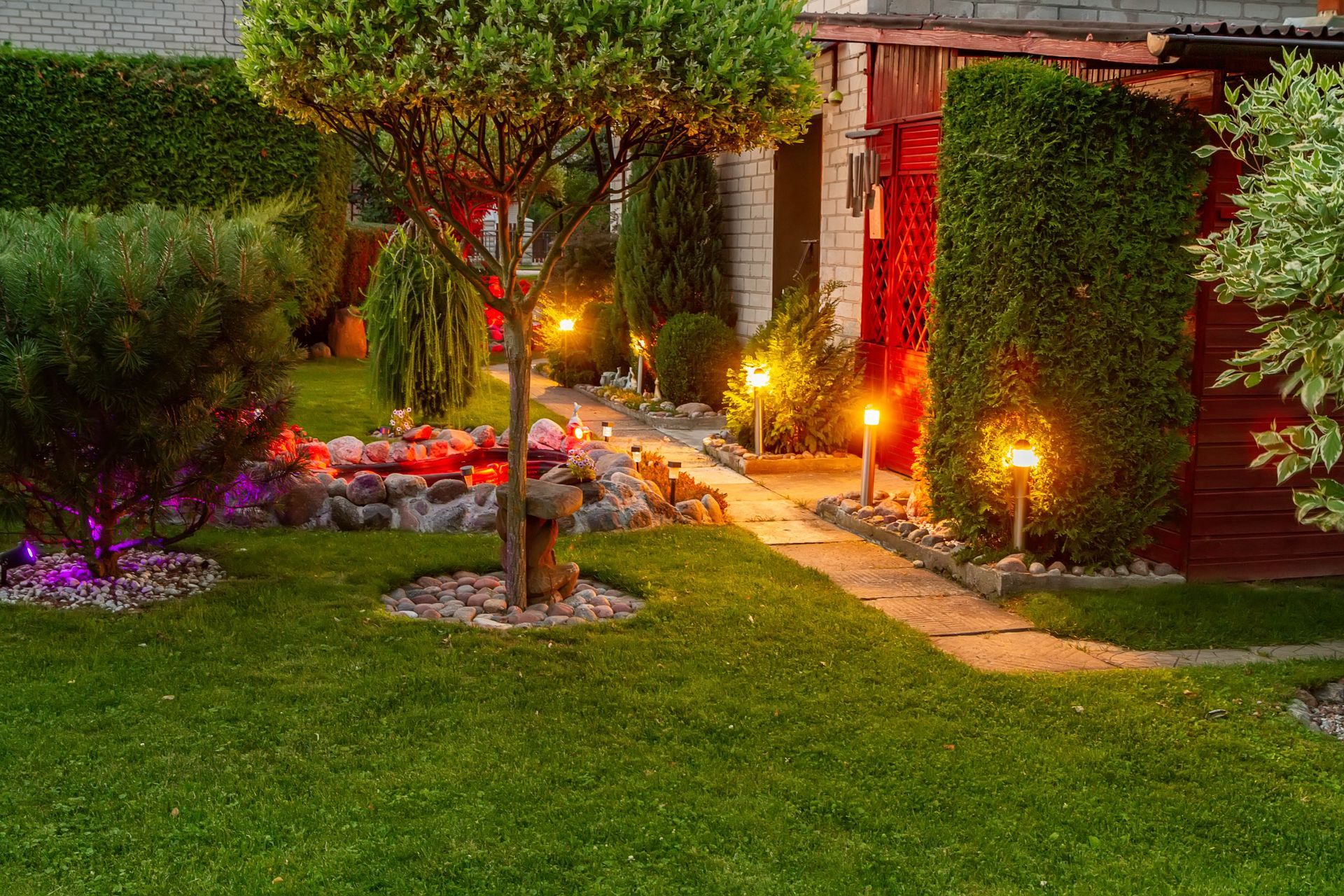
The way people move through your yard heavily influences how big it feels. A common error is installing paths that awkwardly dissect the lawn or forcefully push traffic into narrow corners. Rigid, straight lines or walkways that abruptly end can make a yard feel stunted and poorly planned. If pathways are too narrow or poorly placed, they restrict movement and aggressively emphasize limitations. Creative landscape designers often use curved, sweeping paths to create a wonderful sense of journey and discovery, which naturally elongates the space. Consider a graceful walkway installation that guides the eye gently through the garden rather than cutting across it. Even a well-planned gravel driveway installation can enhance depth if positioned thoughtfully alongside the landscaping. By ensuring your paths flow organically and connect different zones smoothly, you create a continuous, uninterrupted visual line that significantly expands the perceived size of your outdoor area.
6. Overlooking the Impact of Proper Maintenance
Even the most perfectly designed yard will feel small and cramped if it is not properly maintained throughout the changing seasons. Overgrown grass, untamed bushes, and accumulated debris quickly swallow up valuable square footage. When branches hang low and garden beds lose their crisp, defined edges, the entire yard looks messy and closed-in. Maintaining clean lines and manicured foliage is one of the easiest ways to instantly open up an outdoor area. Many homeowners severely underestimate how much space they can reclaim simply by cleaning up their property. Partnering with skilled landscape designers for ongoing care preserves the spacious feel of your yard. Investing in seasonal landscaping maintenance keeps your plant beds tidy, while regular hedge trimming and maintenance ensures borders stay remarkably neat. If you have unsightly stumps taking up room, stump removal and grinding can free up space for a new flower bed. A well-kept yard always feels larger.
Designing a yard that feels expansive and welcoming is an achievable goal, regardless of your actual property boundaries or current layout. By avoiding these six common mistakes, you can completely transform your outdoor environment into a personal oasis that feels open. Remember to utilize your vertical space effectively, minimize distracting visual clutter, define distinct functional zones for different activities, pick the appropriate size for your plants, create gracefully flowing walkways, and stay on top of regular maintenance routines. Each of these steps plays a vital role in tricking the eye and maximizing your available square footage. If you need professional guidance to restructure your property and overcome these design hurdles, expert landscape designers are ready to help you plan and execute the perfect layout. Whether you want to install new hardscaping elements, redesign your garden beds, or maintain the health of your existing trees, you can rely on our knowledgeable team to bring your vision to life. For top-tier service, reach out to Scott Tree Company Inc.