April 22, 2026
Maintaining trees in a residential or commercial landscape requires more than occasional upkeep. It involves careful evaluation of health, structure, safety risks, and long-term growth patterns. Property owners often struggle to determine whether selective care or complete removal is the right path forward when trees begin to show signs of decline or overgrowth.
Professional arborists are trained to assess a wide range of conditions that affect tree stability and vitality. Their recommendations are based on biological indicators, environmental pressures, and potential hazards to surrounding structures and people. In many cases, early intervention can preserve a tree that might otherwise need expert tree removal.
Understanding the distinction between maintenance services and more intensive interventions is essential for making informed decisions about your property's landscape.
Understanding Tree Trimming and Removal Differences
Purpose of Tree Trimming Versus Removal
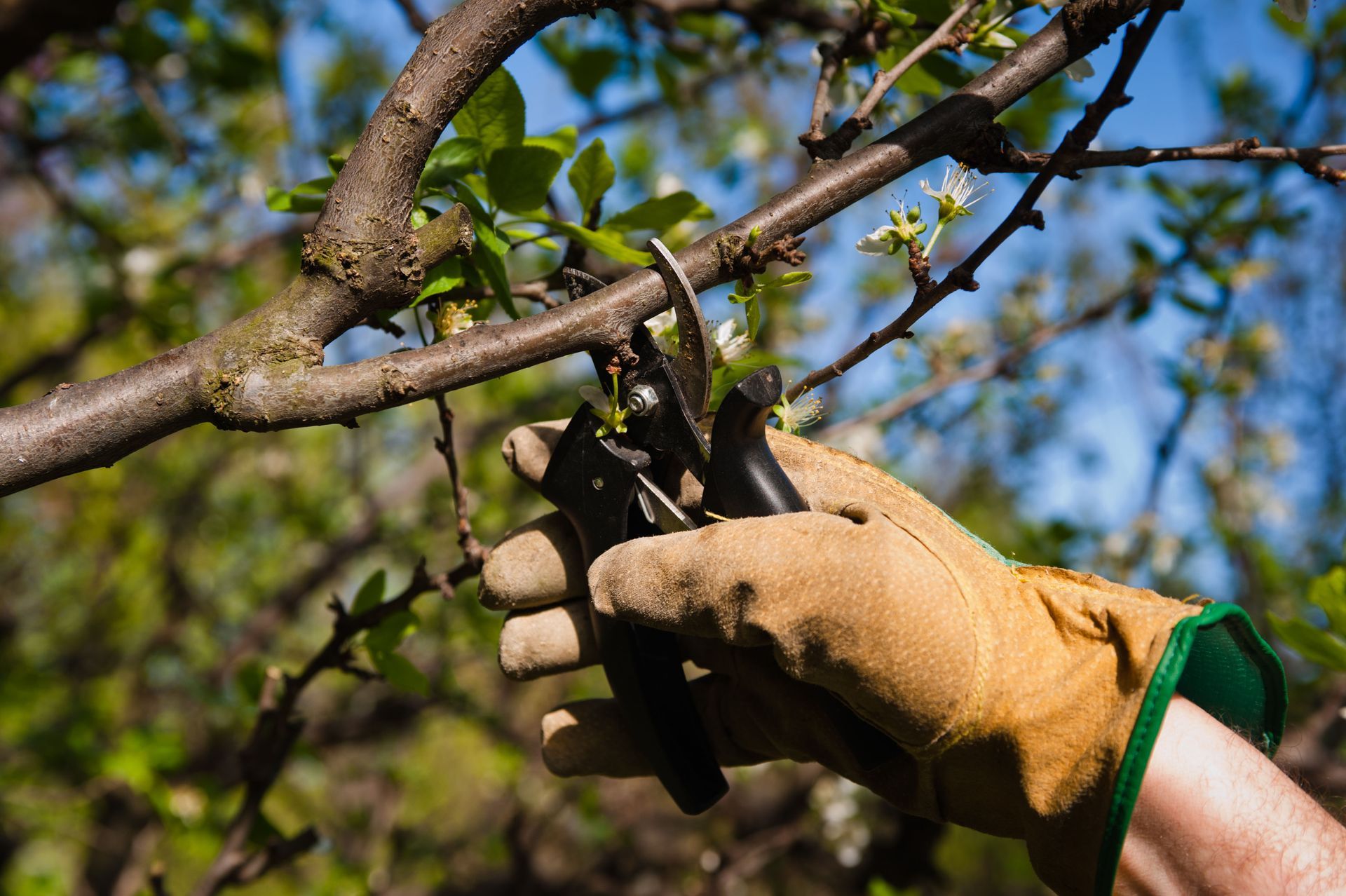
Tree trimming is primarily focused on improving health, structure, and appearance without eliminating the tree itself. It involves the selective removal of branches to encourage balanced growth, reduce density, and eliminate dead or weakened limbs. This process supports long-term vitality and reduces unnecessary stress on the tree's structure.
By contrast, tree removal is considered when a tree can no longer safely remain in place. This may be due to irreversible disease, severe structural instability, or interference with infrastructure. While trimming is corrective and preventative, removal is definitive and typically reserved for situations where risk outweighs benefit.
Understanding this distinction helps property owners avoid premature removal and ensures trees are only taken down when necessary.
How Arborists Determine Tree Health
Arborists begin by examining canopy density, bark condition, root stability, and signs of decay or infestation. These indicators help determine whether corrective trimming can restore balance or if more extensive action is required. Soil conditions and surrounding environmental stressors are also considered.
When evaluating whether removal is appropriate, professionals look for structural failure points such as trunk cavities, major root damage, or extensive dieback. These conditions often indicate that the tree cannot recover through pruning alone and may pose a safety risk if left untreated.
In many cases, a staged approach is used, where initial trimming is performed, and the tree is monitored over time before making a final determination.
Structural and Safety Considerations
Structural integrity plays a central role in deciding between maintenance and removal. Trees with strong central leaders and well-distributed limbs are generally good candidates for trimming. However, those with split trunks, severe leaning, or compromised root systems may require more decisive action.
Safety concerns extend beyond the tree itself. Overextended limbs near power lines, roofs, or walkways can create hazardous conditions even if the tree is otherwise healthy. In such cases, selective trimming may resolve the issue without resorting to tree removal.
Arborists also evaluate wind exposure and storm history, which can significantly influence future risk levels for weakened trees.
Identifying Signs That Trimming or Removal Is Needed
Visible Health Decline and Disease Indicators
One of the most common reasons property owners seek professional help is visible deterioration in tree health. Symptoms such as discolored leaves, fungal growth, brittle branches, or hollow sections often indicate internal decay. While some conditions can be addressed through pruning and treatment, others suggest deeper structural failure.
In situations where the disease has progressed extensively, removal may become the only viable option to prevent spread to nearby vegetation and eliminate safety hazards. However, early detection often allows for corrective trimming that can extend the tree's lifespan significantly.
Monitoring seasonal changes and comparing year-to-year growth patterns can help identify problems before they become irreversible.
Storm Damage and Structural Instability
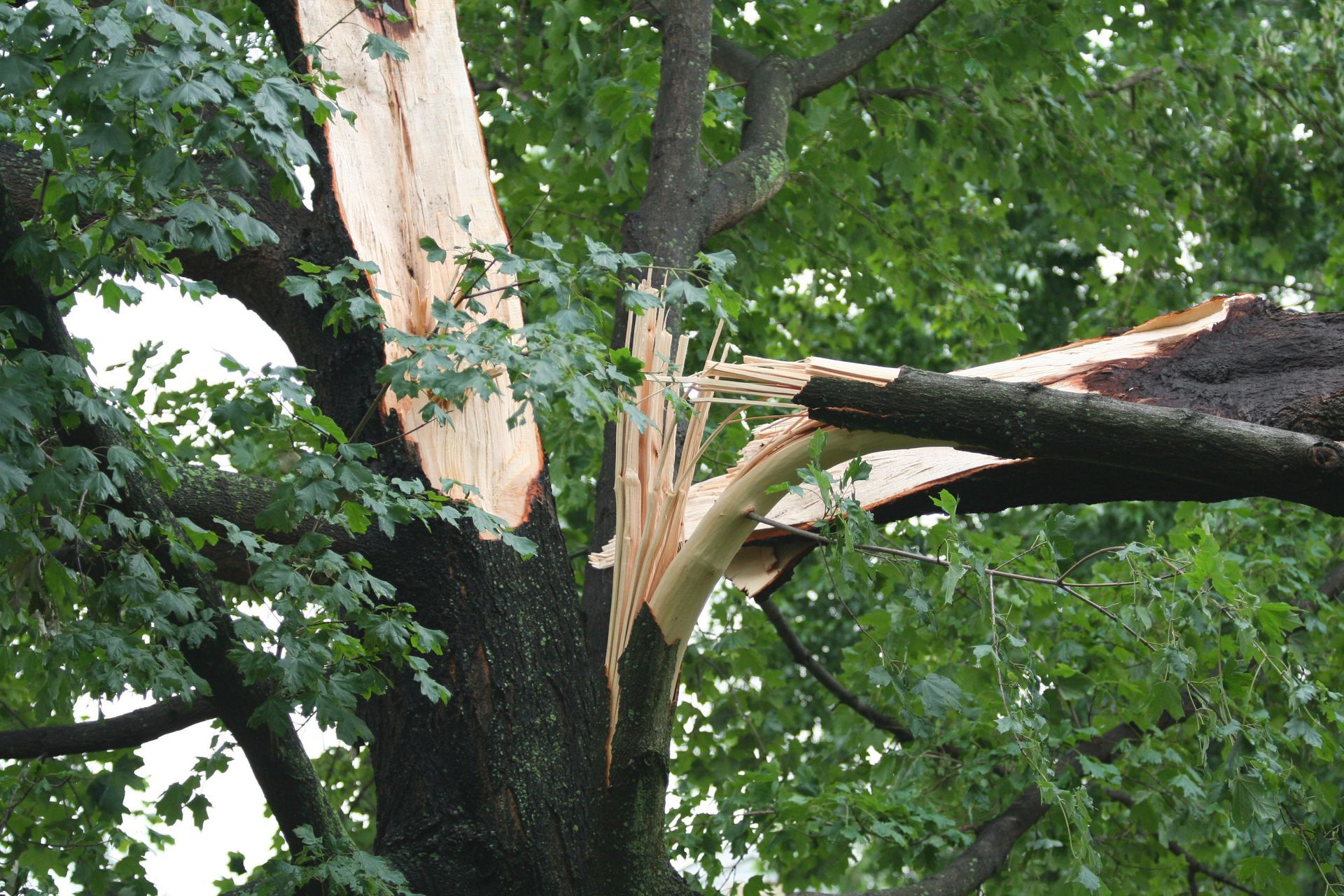
Severe weather events are a leading cause of tree damage in many regions. High winds, heavy snow, and ice accumulation can fracture limbs or destabilize root systems. After a storm, even trees that appear intact may have hidden structural damage that compromises their stability.
In some cases, targeted trimming can remove broken or weakened branches, allowing the tree to recover naturally. In other instances, the damage is too extensive, and tree removal becomes necessary to eliminate the risk of collapse.
A notable point in the arborist industry is the scale of professional expertise available. According to data from Zippia, there are approximately 17,898 tree trimmers employed across the United States, reflecting the demand for skilled professionals capable of managing both routine maintenance and complex hazard situations.
Environmental and Property Impact Factors
Trees interact constantly with their surrounding environment, and changes in their growth patterns can have direct consequences for property conditions. Overgrown canopies may block sunlight, inhibit lawn health, or interfere with drainage systems. Root expansion can also impact sidewalks, driveways, and foundations.
In some cases, strategic trimming resolves these conflicts by reshaping growth patterns and restoring balance between the tree and its environment. However, when interference becomes severe or structural damage to property is already present, removal may be the more practical solution.
Professional assessment ensures that environmental impact is minimized while maintaining the overall safety and usability of the property.
Valuing Professional Decision Making and Long-Term Care
Risk Assessment and Safety Priorities
Professional arborists use structured evaluation methods to determine risk levels associated with each tree. These assessments consider the likelihood of failure, potential targets, and environmental conditions. Trees located near homes, roadways, or public areas receive heightened scrutiny due to increased liability concerns.
When risk levels exceed acceptable thresholds, tree removal may be recommended to prevent injury or property damage. However, in many cases, risks can be mitigated through careful pruning strategies that reduce weight distribution and improve structural balance.
Safety remains the primary factor guiding all recommendations, ensuring that decisions are both practical and protective.
Long-Term Tree Health Strategies
Long-term tree care focuses on sustaining health through proactive maintenance rather than reactive intervention. Regular pruning schedules help maintain airflow through the canopy, reduce disease susceptibility, and encourage stable growth patterns.
Soil nutrition, root zone protection, and seasonal care practices also contribute to overall vitality. These strategies are designed to reduce the likelihood that tree removal will become necessary in the future.
Property owners benefit from ongoing monitoring, as gradual changes in tree health are often easier to address than sudden failures. Preventative care is especially important in mature landscapes where trees have been established for decades.
When Removal Becomes Necessary
There are situations where preservation is no longer feasible, and tree removal becomes the safest and most responsible option. These include advanced decay, extensive root failure, and irreversible structural damage. In such cases, leaving the tree in place may pose significant risks to surrounding structures and individuals.
Professional crews approach removal with precision, ensuring that surrounding landscaping and property features are protected throughout the process. Specialized equipment and careful planning allow for controlled dismantling even in confined spaces.
Tree removal is always considered a last resort, but when necessary, it plays a critical role in maintaining overall landscape safety and usability.
Determining whether a tree requires maintenance or complete removal depends on a careful balance of health indicators, structural integrity, and environmental impact. While pruning can resolve many common issues and extend a tree's lifespan, certain conditions make more decisive action unavoidable.
Working with experienced arborists ensures that each situation is evaluated thoroughly and addressed using the most appropriate method. Through consistent care and timely intervention, property owners can maintain safe, healthy, and visually appealing landscapes for years to come. For expert assistance with determining the health of your trees, reach out to Scott Tree Company Inc!